


-
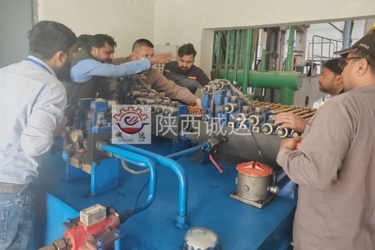 사이드 라시드 아흐메드 부트샤안시 첸다 산업 오븐 (Shaanxi Chengda Industrial Furnace Co., Ltd.) 은 전기 활 오븐의 착공을 완료했으며, 노동자들은 장비를 배우고 작동하기 위해 첸다 엔지니어와 신중하게 협력했습니다.중국과 파키스탄 국민 간의 깊은 우정과 우수한 협력을 보여주는.
 -
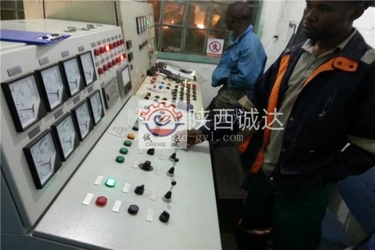 아부바카르1개월이 넘는 집중적인 제작과 디버깅 후,열교환연가스 퇴적실 장비 2세트가 성공적으로 운용되었습니다 ~ 프로젝트에 참여한 모든 직원이 열심히 일했습니다.~
 -
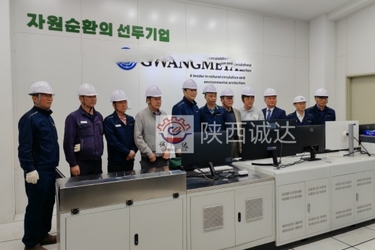 지완한국의 산시 첸다 산업 용기 제조 회사,노스 춘천 카운티의 귀금속 용사 오븐 장비 설치 및 신중한 제조 및 엄격한 운영, 더 많은 분야에서 상호 이익이 되는 윈-윈 협력을 달성하기 위해 미래를 기대합니다!
담당자 :
Du
전화 번호 :
13991381852
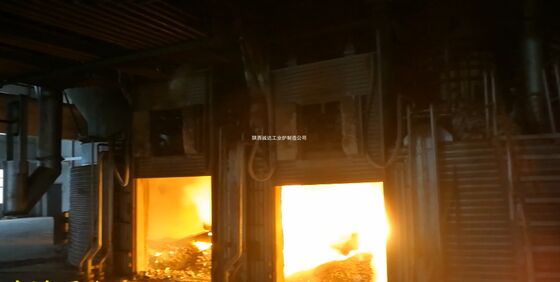
세계 최고 기술/발명 특허를 보유한 6전극 대형 DC 잠호 아크로

| 원래 장소 | 중국 |
|---|---|
| 브랜드 이름 | Shaanxi Chengda |
| 인증 | ISO 9001 |
| 모델 번호 | 장비 처리 용량에 따라 협상 |
| 최소 주문 수량 | 1개 단위 |
| 가격 | The price will be negotiated based on the technical requirements and supply scope of Party A |
| 포장 세부 사항 | 당사자의 특정 요구 사항에 따라 논의하십시오 |
| 배달 시간 | 2 개월 |
| 지불 조건 | L/C, T/T, 웨스턴 유니온 |
| 공급 능력 | 완전한 생산 공급망, 정시 공급 및 품질 표준 충족 |
제품 상세 정보
| 강조하다 | 6전극 DC 잠호 아크로,대형 제강 아크로,특허를 보유한 잠호 아크로 |
||
|---|---|---|---|
제품 설명
6전지 큰 DC 잠수 활 오븐
6전지 큰 DC 잠수 활 오븐은 고효율, 대용량 금속 용조 장치에 최적화 된대규모 철합물, 산업용 실리콘 및 칼슘 카바이드 생산4전지 오븐의 장점을 바탕으로, 더 균일한 전류 분포, 더 강한 전자기 혼합,그리고 더 높은 녹화 효율성, 그것은 매우 큰 규모의 녹조 프로젝트 (명력 ≥ 80MVA) 에 이상적입니다.
1기본 구조와 작동 원칙
핵심 부품
| 시스템 | 주요 부품 및 사양 |
|---|---|
| 전극 시스템 | 6개의 그래피트/자연 구운 전극, 정형 육각형으로 배치되어 있으며, 지름 1000~1400mm, 각 전극에 대한 독립적인 리프팅 및 전류 조절 메커니즘 |
| 전원 공급 시스템 | 티리스터 직렬 변압기 (스플릿 타입 설계: 2~3개의 직렬 캐비닛을 병행); DC 원자로; 저저항력 구리 버스바와 함께 쇼트넷; 명산 전력 80~150MVA |
| 오븐 체구 구조 | 강철 껍질 + 다층 불소연 부리 (코룬덤-마그네시아 벽돌 + 탄소 램링 질량)전도성 오븐 바닥 아노드 (그라피트-탄소 벽돌 + 구리 전도성 층) 는 높은 전류 밀도를 (≤5A/cm2)오븐 용량 150~500t |
| 보조 시스템 | 높은 흐름 냉각 물 시스템; PLC + DCS 지능 제어 시스템; 폐쇄 루프 먼지 제거 시스템; 자동 양적 공급 시스템 |
작동 원칙
DC 전류는 직렬 시스템에서 출력되어 6 개의 상위 전극 (카토드) 에 분배됩니다. 전극과 전하 사이에 활이 발화됩니다.그리고 현재는 잠수된 활과 녹은 풀을 통해 흐르며유도형 오븐 바닥 애노드, 안정적인 주 회로를 형성한다. 여섯 각 전극 배열은 대칭 전자기장을 생성하여 녹은 풀을 고 강도의 원형 혼합을 수행하도록 유도한다.이것은 광석의 환원 반응을 가속화하고 용액의 균일 온도와 성분을 보장합니다..
2주요 기술 매개 변수 (일반적인 초대형 모델: 80~150MVA)
| 매개 변수 지수 | 사양 범위 |
|---|---|
| 등급 전력 | 80~150MVA |
| 총 평준 DC 전류 | 60~125kA (전극당 10~21kA, 독립적으로 조절) |
| DC 입력 전압 | 1000~1500V |
| 단일 전극 지름 | 1000~1400mm |
| 오븐 명목 용량 | 150~500t (금속연금에 대한 대량 녹화) |
| 녹기 온도 | 1900~2300°C |
| 전력 소비 | 3600~4500kWh/t (산업 실리콘); 2800~3500kWh/t (고탄소 페로크롬) |
| 전극 소비량 | 0.4~0.8kg/t (4전극 동전화장보다 20% 낮다) |
| 냉각수 시스템 | 전체 유출량 800~1500m3/h, 물 압력 0.45~0.65MPa, 전도성 ≤50μS/cm |
| 먼지 제거 효율성 | ≥99.8%; 배출 농도 ≤5mg/m3 |
| 전자기 팽창 강도 | 1.2·1.8T (자기 인덕션 강도) |
| 가루 사용 기간 | 3~5년 (금속 합금 용조용) |
3. 4전자 동전지 잠수弧炉 대비 핵심 장점
| 장점 | 상세 설명 |
|---|---|
| 균일 전류 및 온도 분포 | 헥사고널 전극 배열은 녹은 수영장에서 지역 뜨거운 지점을 제거합니다. 오븐 내부의 온도 차이는 ≤50 °C로 일관된 제품 구성을 보장합니다. |
| 더 높은 전력 밀도 및 용사 효율성 | 초고전력 입력을 지원합니다 (150MVA까지); 4전지 오븐에 비해 15~20% 가량 줄이는 녹화 주기; 시간 출력 20~30% 증가 |
| 낮은 에너지 & 전극 소비 | 대칭 전자기장은 활 에너지 손실을 줄이고, 전력 소비는 8~12% 감소한다. 독립 전극 전류 조절은 단일 전극의 과도한 연소를 피하고, 소비를 20% 줄인다. |
| 더 강한 시스템 안정성 | 스플릿 타입 전원 공급 설계: 일개의 직렬기 캐비닛이 고장 났을 경우 다른 캐비닛이 계속 작동할 수 있다 (부하율 ≥60%); 낮은 전압 변동 (≤±5%), 전력망에 친화적 |
| 더 나은 확장성 | 모듈형 전극 및 전원 공급 장치 설계는 단계별로 용량 확장을 허용합니다 (예를 들어 오븐 몸을 교체하지 않고 80MVA에서 150MVA로 업그레이드) |
4응용 시나리오
- 극대 철합물 생산
고탄소 페로크롬, 페로실리콘, 실리코만가네스 및 페로 텅스텐을 녹여 연간 생산량 ≥100,000톤의 프로젝트에 적합합니다.
- 고정도의 산업용 실리콘 용조
반도체 및 태양광 산업에 ≥99.9%의 순도를 가진 실리콘을 생산합니다. 안정적인 온도 필드는 불순물 함량을 감소시킵니다.
- 대량 칼슘 탄화물 제조
단일 오븐의 칼슘 탄화물 출력 ≥200t/배치; 탄화물 함량은 ≥85%; 전통적인 오븐에 비해 에너지 소비가 10~15% 감소합니다.
- 희금속 광석 용해
니켈-코발트 광석, 탄탈-니오비움 광석 및 바나디오-티타늄 마그네타이트의 환원 녹화; 높은 합금 원소 회수율 (≥97%).
5주요 점과 유지보수
사용 주의 사항
- 전극 삽입 깊이 제어: 전극당 1.5~2.0m 삽입 깊이를 유지하여 잠수된 활 연료를 보장합니다. 활 노출을 피하십시오 (에너지 손실과 먼지 방출을 유발합니다).
- 현재 잔액 조정: DCS 시스템을 통한 전극 간의 전류차가 ≤5%로 유지되며 개별 전극의 과부하를 방지합니다.
- 슬래그 시스템 최적화: 고 기초성 슬래그 (R=2.0~2.5) 를 채택하여 황소화율 (≥90%) 을 향상시키고 부피 침식을 줄이십시오.
유지보수 중점
- 전극 유지: 정밀성을 주기적으로 확인하고, 잔류 길이가 ≤500mm일 때 정체를 교체하여 부러지지 않도록 한다.
- 오븐 바닥 안도 검사: 오븐 바닥의 전도성을 3개월마다 검사합니다. 균열이 발견되면 탄소 램핑 질량을 제때 수리합니다.
- 냉각 시스템 모니터링: 전극과 오븐 몸의 물 흐름과 온도 차이를 실시간으로 모니터링합니다. 물 흐름이 소모를 방지하기 위해 충분하지 않으면 즉시 종료됩니다.
64전지 동맥 잠수弧炉과 기술 비교
| 특징 | 6전지 큰 DC 잠수 활 오븐 | 4전극 동맥 잠수 활화로 |
|---|---|---|
| 전극 배열 | 정규 육각형 (대칭) | 정사각형 (비대칭 지역 전류) |
| 최대 등급 전력 | 150MVA | 63MVA |
| 온도 균일성 | ≤50°C 차이 | 80~120°C 차이 |
| 전력 소비 | 3600~4500kWh/t | 3800~4800kWh/t |
| 시간적 생산량 | 20~30% 더 높습니다. | 표준 출력 |
| 재구성 비용 | 높습니다 (새로운 오븐 몸체가 필요합니다) | 중형 (AC 오븐의 후기 리모트 가능) |
| 적용 가능한 규모 | 초대량 (≥100,000t/year) | 중·대 (30,000~100,000t/년) |
7개발 동향
- 지능적 인 녹화: 인공지능과 사물인터넷 기술을 통합하여 전극 전류, 공급 속도 및 슬래그 방출의 자동 조정을 실현합니다. 무인 현장 운영을 달성합니다.
- 에너지 재활용: 폐열 전력 생산 시스템을 결합하여 연소 가스 열 (온도 ≥1200°C) 을 회수하여 전체 에너지 소비를 20~25% 줄입니다.
- 녹색 녹기: 폐수 배출이 0대 및 오염 물질 배출량이 극히 낮은 것을 달성하기 위해 닫힌 루프 오븐 바디 디자인 + 건조한 먼지 제거를 채택하십시오.
