


-
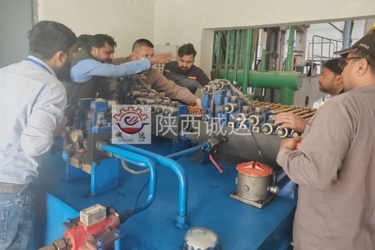 사이드 라시드 아흐메드 부트샤안시 첸다 산업 오븐 (Shaanxi Chengda Industrial Furnace Co., Ltd.) 은 전기 활 오븐의 착공을 완료했으며, 노동자들은 장비를 배우고 작동하기 위해 첸다 엔지니어와 신중하게 협력했습니다.중국과 파키스탄 국민 간의 깊은 우정과 우수한 협력을 보여주는.
 -
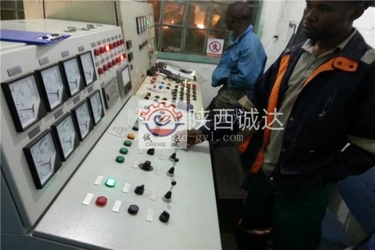 아부바카르1개월이 넘는 집중적인 제작과 디버깅 후,열교환연가스 퇴적실 장비 2세트가 성공적으로 운용되었습니다 ~ 프로젝트에 참여한 모든 직원이 열심히 일했습니다.~
 -
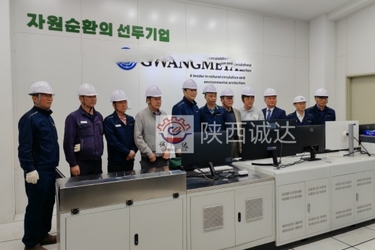 지완한국의 산시 첸다 산업 용기 제조 회사,노스 춘천 카운티의 귀금속 용사 오븐 장비 설치 및 신중한 제조 및 엄격한 운영, 더 많은 분야에서 상호 이익이 되는 윈-윈 협력을 달성하기 위해 미래를 기대합니다!
담당자 :
Du
전화 번호 :
13991381852
국가 특허 기술 / ISO 9001 인증을 가진 고 임피던스 전기 활 오븐
| 원래 장소 | 중국 |
|---|---|
| 브랜드 이름 | Shaanxi Chengda |
| 인증 | ISO 9001 |
| 모델 번호 | 장비 처리 용량에 따라 협상 |
| 최소 주문 수량 | 1개 단위 |
| 가격 | The price will be negotiated based on the technical requirements and supply scope of Party A |
| 포장 세부 사항 | 당사자의 특정 요구 사항에 따라 논의하십시오 |
| 배달 시간 | 2 개월 |
| 지불 조건 | L/C, T/T, 웨스턴 유니온 |
| 공급 능력 | 완전한 생산 공급망, 정시 공급 및 품질 표준 충족 |
제품 상세 정보
| 강조하다 | 고 인피던스 전기 활 오븐,특허를 받은 철강 제조 장비,ISO 인증을 받은 활연 |
||
|---|---|---|---|
제품 설명
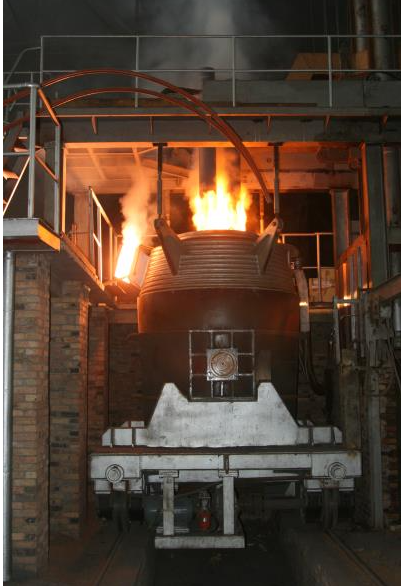
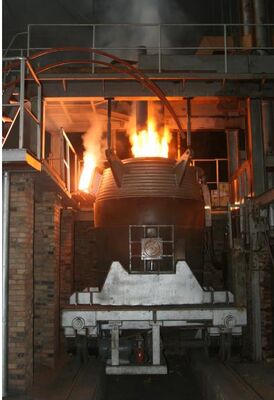
고항압 전기弧炉 (high-impedance electric arc furnace) 은 활광炉 변압기의 주측에 연쇄로 연결된 원자로가 있는 전기弧炉을 말한다.그것은 철강 산업에서 널리 사용되는 첨단 철강 제조 장비입니다.:
- 작동 원리:부무형 오븐 트랜스포머의 주측에 고정 또는 포화형 원자로를 연속으로 연결함으로써 회로의 반응량 값은 원래 값의 1.5-2배로 증가합니다.예를 들어, 40t / 25MVA 이상의 일반적인 임피던스 전기 활 오븐의 반응성 값은 약 3.5-4.0mΩ이며, 높은 임피던스 전기 활 오븐의 반응성 값은 약 6-8mΩ까지 증가 할 수 있습니다.이것은 긴 활 전원 공급에 더 적합합니다.
- 장점:
- 기계적 스트레스 감소: 전류 감소로 인해 전자기력이 감소하고 기계 장비 구성 요소에 대한 충격 스트레스와 진동이 감소합니다.전기 장비 구성 요소에 대한 단전 전류 영향도 완화됩니다..
- 낮은 전력망 간섭: 전류 변동률을 46% 감소시키고 전압 반짝이는 비율을 거의 30% 감소시켜 전력망에 미치는 영향과 간섭을 줄이고 반짝이는 것을 줄일 수 있습니다.
- 낮은 소비: 전류의 감소는 전력 소비와 전극 소비를 감소시킵니다.
- 높은 활 안정성: 높은 반응력과 낮은 전력 요인 때문에 활 안정성이 높습니다.
- 장비의 진동 감소: 그것은 전극 리프팅 메커니즘의 불충분한 경직성으로 인한 진동을 줄일 수 있습니다.
- 장비 구성: 주로 전기 오븐 트랜스포머, 단선 네트워크, 전극 올리기 장치, 전도성 가로 팔, 물 냉각 오븐 덮개, 오븐 덮개 올리기 장치 및 회전 장치,오븐 몸체, 오븐 몸의 기울기 장치, 캔, 탭 차, 냉각 물 시스템, 압축 공기 시스템, 수압 시스템, 자동 공급 시스템, 고전압 전원 공급 시스템,저전압 전기 제어 시스템, 기본 자동화, 컴퓨터 제어 시스템
- 적용: 단기 공업용 철강의 주요 장비로서, 더 쉽게 산화되는 요소를 포함하는 철강 등급을 녹이는 데 매우 유용합니다.각종 합금강원자재는 냉금 철폐, 철폐의 일부 + 뜨거운 금속, 사전 가열 된 철폐, 고온 압축 축소 철, 스펀지 철 등이 될 수 있습니다.
-
높은 저항력 전기 활 오븐의 매개 변수
이 문서는 4 가지 범주로 나뉘어 높은 저항 전기 활 오븐 (HIEAF) 의 핵심 기술 매개 변수를 요약합니다. 기본 등급 매개 변수, 주요 전기 매개 변수,구조 및 프로세스 매개 변수, 에너지 소비 및 환경 보호 지표. 일반적인 오븐 용량에 대응하는 전형적 값은 직접 참조 및 선택을 위해 제공됩니다.1기본 등급 매개 변수 (주류 용량별로 분류)
고 임피던스 전기 활 오븐은 일반적으로 10 톤 이상에서 100 톤 이상까지의 명목 용량으로 구별됩니다.일치 트랜스포머 용량은 오븐 용량과 엄격하게 일치.명목 용량 변압기 용량 적용 가능한 강철 등급 일일 열 수 30t 30~35MVA 가벼운 강철, 낮은 합금 강철 8~12 열 50t 50~60MVA 가벼운 강철, 합금 강철, 스테인리스 강철 10~14 히트 80t 80~90MVA 합금강, 스테인리스강, 특수강 12~16 열 100t 100~120MVA 특수강, 고품질의 스테인레스강 14~18 열 150t 150~180MVA 단기공정용 대용량 철강 공장, 연속접속 및 롤링을 지원 16~20 열 참고: 일반 전기 활 오븐과 비교하면, 고 임피던스 오븐은 더 안정적인 활을 가지고 있으며, 긴 활 작동을 허용하며,더 높은 트랜스포머 사용 효율성그리고 더 빠른 녹는 리듬을 가지고 있습니다.2. 주요 전기 매개 변수 (고강압 오븐의 중요한 특성)
이들은 전통적인 전기 활 오븐과의 핵심 차이점을 나타내고 고 임피던스 설계의 주요 지표입니다.2.1 단회로 저항과 일련 반응성
- 일반적인 EAF 트랜스포머의 단회로 임피던스: 일반적으로10%~12%
- HIEAF 트랜스포머의 단전 임피던스:16%~20%, 그리고 초고 임피던스 설계에 22%에 도달 할 수 있습니다.
- 원자력 변의 일련 원자로 반응량:1.5 ~ 2배오븐 트랜스포머의 누출 반응량 증가 총 회로 반응량은 단회로 충동 전류를 효과적으로 제한하고 전압 깜박이는 것을 억제합니다.
2.2 등급 전압 수준
일반적인 고전압 입력 전압은35kV, 66kV 및 110kV낮은 전압 측면은 용기 작동을 위해 높은 전류 출력을 제공하며, 녹음, 산화 및 감소 단계의 요구 사항을 충족시키기 위해 다단계 전압 조절을 제공합니다.2.3 등급 전류 및 단회로 전류
- 가등 전극 작동 전류: 용량으로 증가합니다. 50t 오븐에 약 25~30kA, 100t 오븐에 최대 40~50kA.
- 높은 임페던스 설계의 핵심 장점:단축 impuls 전류는 30%~40% 감소할 수 있습니다., 전력망, 트랜스포머 및 단축 네트워크에 미치는 영향을 크게 완화합니다.
2.4 전력 요인
일련 반응성으로 인해 HIEAF의 자연 전력 인수는 상대적으로 낮으며 일반적으로0.75 ′′0.85일반적으로정적 바르 보상기 (SVC) 또는 정적 바르 생성기 (SVG)보상 후, 전력 요인은 0 이상으로 향상 될 수 있습니다.9.3전극 및 짧은 네트워크 매개 변수
전극은 전기 활 오븐의 핵심 에너지 소비 구성 요소입니다. HIEAF는 전통적인 오븐보다 현저히 더 나은 전극 소비 성능을 나타냅니다.- 전극 재료:초고전력 (UHP) 그래피트 전극산화 저항성, 높은 온도 저항성 및 더 높은 허용 전류 밀도를 특징으로 널리 채택되었습니다.
- 전극 지름
- 30t 오븐: Φ350~400mm
- 50t 오븐: Φ450~500mm
- 80~100t 오븐: Φ550~600mm
- 150t 오븐: Φ650~700mm
- 전극 소비 지수: 긴 활 작동과 작은 전류 변동의 혜택을 누리며, HIEAF의 전극 소비는1.2~1.8kg/t 스틸일반 EAF의 경우 일반적으로 2.0kg/t의 강철을 넘습니다.
- 짧은 네트워크 매개 변수: 짧은 네트워크는 물 냉각 된 구리 튜브 또는 구리 알루미늄 복합 유도체를 채택합니다. 길이가 최소화되고 회로 저항이 낮은 활성 손실로 감소합니다.회로 반응성 일치단순한 저항 감소보다 우선 순위를 부여합니다.
4구조 및 프로세스 운영 매개 변수
4.1 오븐 구조
- 오븐 껍질 재료: 고강도 보일러 철판Q345, 마그네시아-탄소 벽돌과 알루미나-마그네시아-탄소 벽돌을 포함한 불탄성 물질로 덮여 있습니다.
- 오븐 덮개 유형:완전 물 냉각 트러스 오븐 덮개, 높은 온도 저항성, 긴 서비스 수명 및 높은 전력 긴 활 작업 조건에 적응.
- 기울기 각:45°~50°, 수압적으로 구동되며 기울기 속도를 조절할 수 있습니다.
4.2 산소 공급 및 탄소 주입 시스템
- 산소 공급 모드: 산소 압력이0.8~1.2MPa산소 흐름은 용량으로 증가하여 100t 오븐에서 3000~4000Nm3/h에 도달합니다.
- 탄소 주입 시스템: 폼링 슬래그 생성 및 잠수 된 아크 운영에 사용됩니다. 폼링 슬래그와 조정되면 HIEAF는 운영 전압을 추가로 증가시키고 전력 네트워크 변동을 줄일 수 있습니다.
4.3 녹화 주기와 온도
- 전체 폐기물 용해 순환: 50~100t의 HIEAF에 대해전원 켜기 용사 시간은 45~60min/열터킹, 패치 및 충전 포함, 전체 주기는 60~80min입니다.
- 탭 온도: 강철 등급에 따라,1600~1680°C, 스테인레스 스틸과 같은 특수 스틸의 경우 더 높은 온도.
5에너지 소비 및 환경 보호 지표
5.1 전력 소비 지수
HIEAF는 전통적인 EAF보다 더 나은 전력 소비로 긴 활 작동을 통해 더 높은 열 효율을 달성합니다.- 모든 냉금 용조:380~420kWh/t 강철
- 뜨거운 금속을 첨가하거나 뜨거운 충전된 폐기물:320~360kWh/t 강철
5.2 전력망 간섭 지표
- 전압 플리커 (Pst):25%~35%기존의 오븐과 비교하여, 조화 및 깜박임 제한에 대한 전력 네트워크 표준을 보다 쉽게 충족시킬 수 있습니다.
- 하모닉 억제: 반응 전력 보상 및 필터링 장치가 장착되어 GB/T 14549에 명시된 하모닉 제한을 충족시킬 수 있습니다.
